


Connecting our research community
Welcome from Professor Vikas Kumar, Deputy Vice-Chancellor (Research and Innovation)
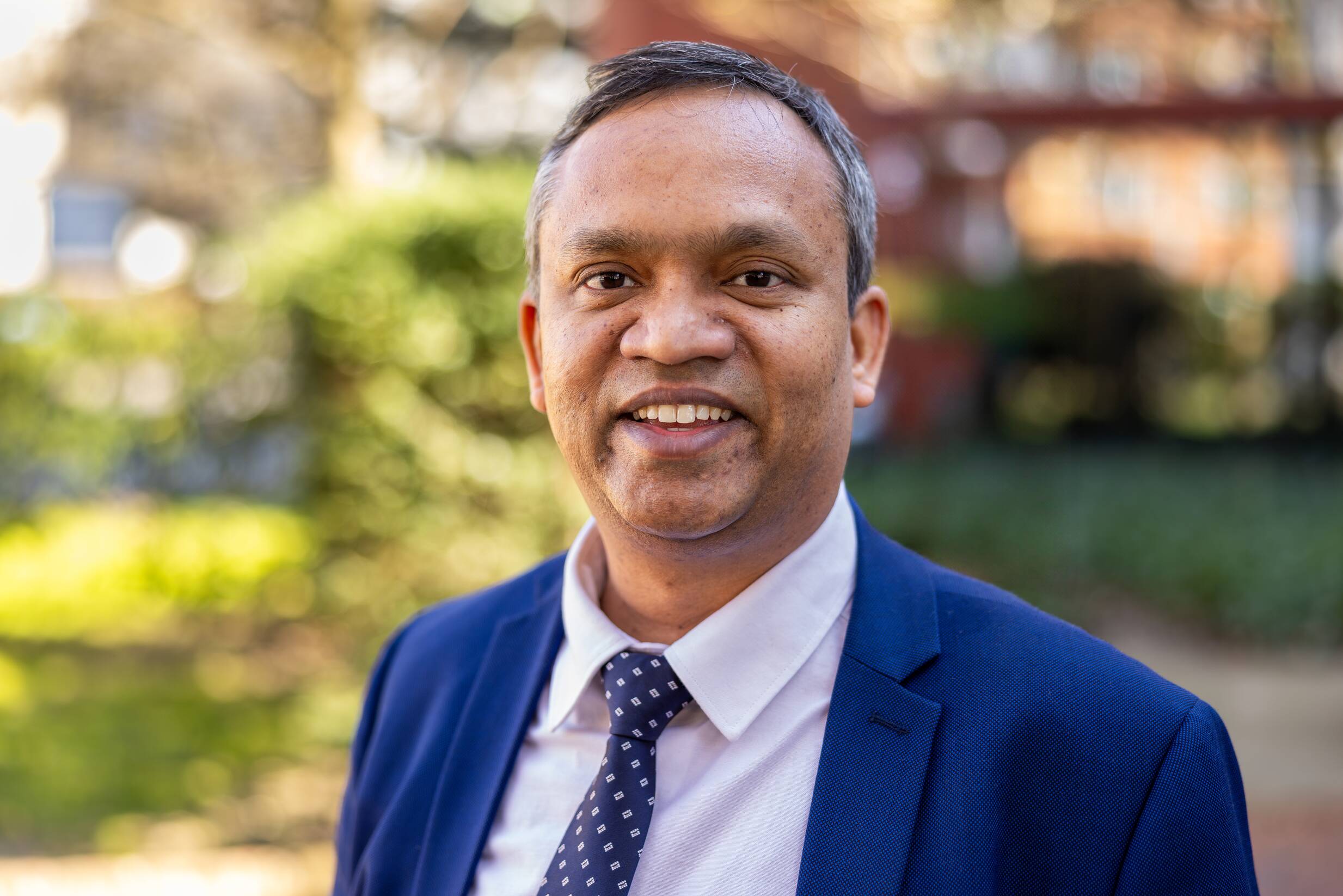
Welcome to the latest Research Connect Newsletter. Each publication highlights the strength and momentum within our research community, and this edition brings together an encouraging mix of achievements, insights and opportunities from across the University.
From events that showcase the global reach of our work to prizewinning research and thought-provoking publications tackling complex societal issues, this issue reflects the breadth and ambition of our activity. You will also find updates on new collaborations and initiatives, along with the launch of our draft REF 2029 Code of Practice. This consultation sets out how we will approach key decisions on preparing for the next REF, and I encourage colleagues to review the document and share their perspectives.
I wanted to take a moment to reflect on the recent developments where several UKRI research councils have announced temporary pauses to major funding schemes, creating understandable concern across the research community. The Medical Research Council (MRC), the Biotechnology and Biological Sciences Research Council (BBSRC), and parts of the Science and Technology Facilities Council (STFC) have all confirmed disruptions to their usual funding routes. These pauses form part of a broader UKRI transition to a new, more centralised investment model for the 2026–2030 Spending Review period. Both MRC and BBSRC have stopped accepting applications for their applicant‑led responsive mode grants, new investigator awards, and several partnership or translational schemes, with MRC indicating that timelines for reopening will be confirmed in spring and funding opportunities expected to resume in summer 2026. On a positive note, despite pausing responsive mode grants, core curiosity-driven and fellowship funding remains intact, and the UKRI budget is projected to grow to £10bn per year by 2030, although strategic priorities will dominate allocations. UKRI has begun implementing a new investment model for 2026–2030, redistributing its £38.6bn allocation into three funding ‘buckets’: £8bn for targeted national/societal priorities, £7bn for commercialisation, and £14bn for curiosity-driven research.
At the University of Portsmouth, we recognise how unsettling these developments may feel, particularly for colleagues preparing bids or awaiting the next appropriate funding window. I want to reassure you that supporting our research community remains my highest priority. Periods of sector instability can test resilience, but they also reinforce what anchors us. Portsmouth’s research community is collaborative, creative, and determined. As these UKRI changes unfold, you will continue to have clear communication, practical support, and strong institutional advocacy. We are maintaining close dialogue with UKRI and monitoring reopening timelines so that our researchers can move quickly and confidently once opportunities resume. We are advocating nationally through sector networks and partnerships (such as UUK and DVC/VC networks) for transparency, stability, and the protection of curiosity‑driven research across the UK. Concerns have been raised across the sector about the impact on basic science and the opacity of the transition, and we remain an active voice in these discussions.
If your work has been affected or you’re concerned about upcoming applications, please contact our Research & Innovation Services team (RIDMS). We are here to help you plan your next steps. Together, we will navigate this transition and continue to build the excellent, impactful research for which the University of Portsmouth is known.
We are also looking at the next phase of our Strategy, People and Research Environment work and how the Research Culture pillar groups are shaping practical action. The following article is an important opportunity to understand how these strands are coming together to support a stronger, more connected and more enabling research environment for everyone.
Strategy, People and Research Environment (SPRE) update
REF 2029 news
REF 2029 Code of Practice
Update from Professor Jo Corbett - Head of Research
The University of Portsmouth has launched its consultation on the draft REF 2029 Code of Practice, an important step in shaping how we will prepare for the next Research Excellence Framework. The draft Code sets out our proposed decision‑making processes for identifying volume contributing contracts, assigning contracts to UoAs, and output selection. These processes re intended to ensure robustness, transparency, and equity and inclusivity. All staff should have received an email with a link to the code of practice and colleagues are invited to review the document and share their feedback (email [email protected]) as part of this institution‑wide consultation which runs until 12 March 2026.
To support engagement, a series of REF 2029 townhall events are also taking place. These sessions will provide an overview of the evolving REF landscape, highlight key elements of the draft Code, and offer opportunities for questions and discussion. We strongly encourage staff from across the University—academic and professional services—to attend, learn more, and contribute their perspectives. Your input is vital to ensuring a robust and equitable Code of Practice for REF 2029.
Celebrating success
AEGIS Hosts Inaugural Symposium Celebrating the Work of Professor Nafisa Bedri
In January, AEGIS hosted the Inaugural Symposium for Professor Nafisa Bedri, titled Gendered Conflict, Unyielding Spirit: The Cultural Power of Sudanese Women. The event brought together scholars, women leaders, senior diplomats, media professionals, and members of the local Sudanese community for a powerful day of reflection, discussion, and cultural exchange.
Alongside Professor Bedri, keynote speakers included Dr Zeinab Badawi, acclaimed journalist and author, and Magdelene Lagu, Deputy Head of the British Office Sudan and UK Special Representative to Sudan. Their contributions offered rich insight into the intersecting dynamics of gender, conflict, and culture in Sudan.
The symposium also foregrounded community voices. Members of the Sudanese diaspora in Portsmouth, artists, and activists shared personal stories that illuminated how gender shapes experiences of war and displacement, and how Sudanese women have mobilised cultural practices as acts of resilience and resistance.
A vibrant exhibition curated by the local Sudanese community showcased treasured family artefacts from Sudan, offering attendees an intimate connection to Sudanese heritage. Complementing this, the Royal National Naval Museum contributed historic artefacts dating back to the Mahdist War, deepening the historical context of the discussions.
This inspiring event highlighted the vital role of Sudanese women in shaping cultural and political narratives and strengthened connections between the University, local communities, and international partners.
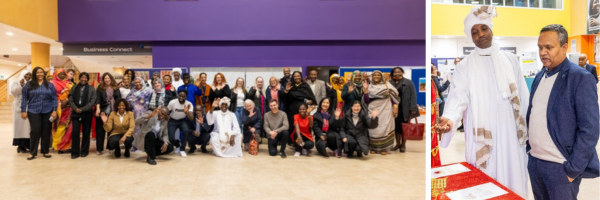
2. Deputy Vice Chancellor (Research and Innovation), Professor Vikas Kumar, with Abdelkarim Gumaa Hamad, Vice chair of the Sudanese community in Portsmouth, examining Sudanese artefacts
Journal of Intervention and Statebuilding 2025 Innovation Prize
Members of the Centre for European and International Studies Research (CEISR), Prof. Tony Chafer, Prof. Ed Stoddard, and Prof. Eloïse Bertrand (formerly a CEISR/Leverhulme Postdoctoral Fellow), have won the Journal of Intervention and Statebuilding 2025 Innovation Prize.
The award recognises their article: “(Dis)utilities of Force in a Postcolonial Context: Explaining the Strategic Failure of the French-Led Intervention in Mali,” which makes an important contribution to debates on intervention, postcolonial security, and the strategic use of force.
The Journal of Intervention and State-building is a top-tier journal in security studies and ours was rated by them as the best article in 2025.
Latest news
From Ideas to Action: introducing and developing our Research Culture Pillar groups
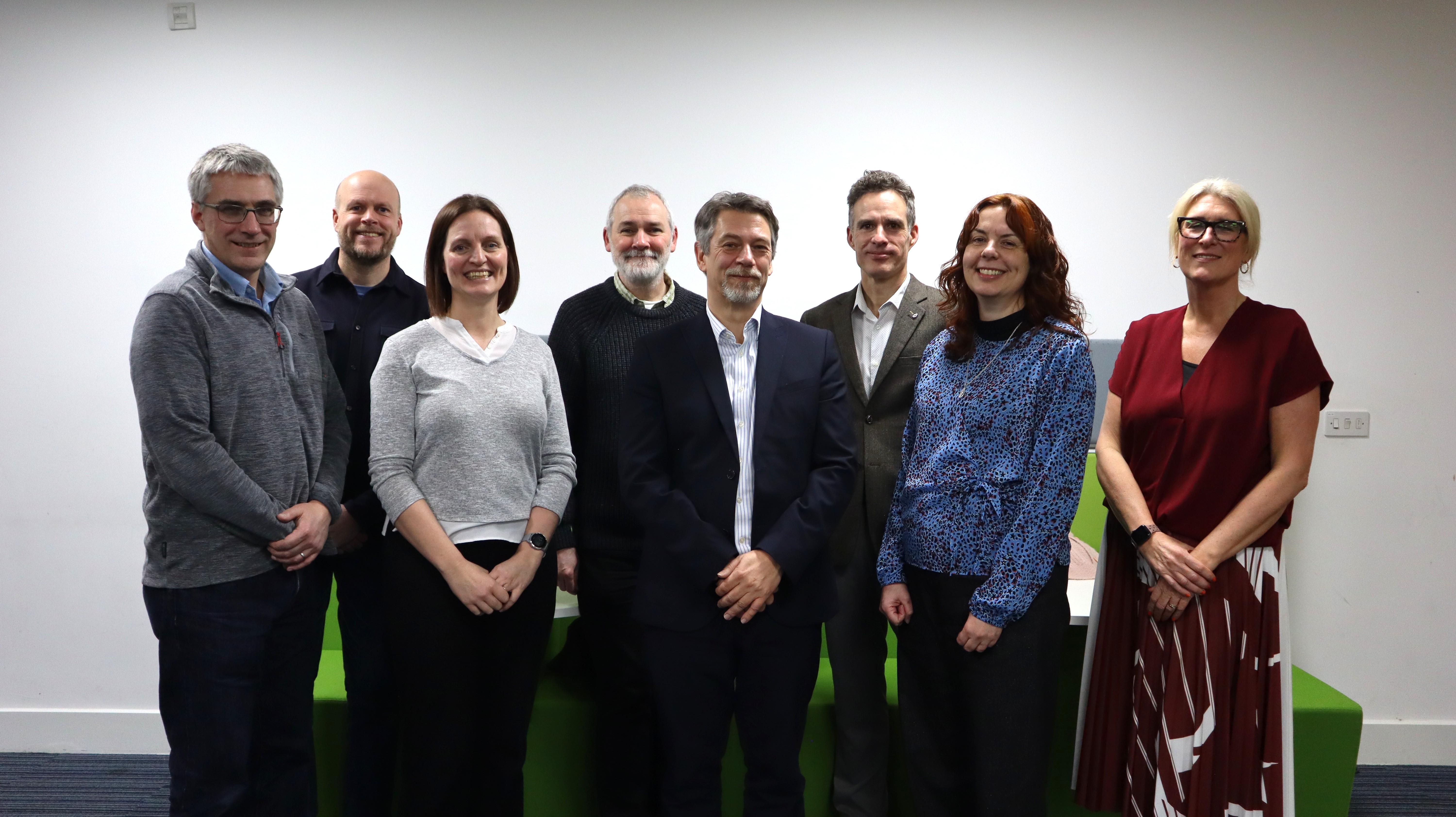
Enhancing our Research Culture is an institutional strategic priority and researchers from across the university recently came together to discuss our eight Pillars of Research Culture and how they might evolve from being support and interest groups to being action groups.
The eight pillars were identified after an awayday in January 2025 in which 60 professional services and research based colleagues from across the university were asked for their view on what a great university research culture would look like.
New Portsmouth Research Group Launches to Support Portsmouth100 and City of Culture Bid
Under the umbrella of the Port Cities and Maritime Cultures Research Centre, a new Portsmouth Research Group has been established to support the University’s engagement with Portsmouth100 and the city’s forthcoming City of Culture bid.
This interdisciplinary, cross‑faculty initiative is jointly led by Dr Maggie Bowers and Dr Guy Collender (SASSHPL), both of whom bring extensive networks and long-standing relationships within the city.
The group aims to bring colleagues together to explore research opportunities, share expertise, and contribute to shaping Portsmouth’s cultural and creative future.
Colleagues from across the University who are interested in the future of Portsmouth - or who would like to connect their research to the city’s cultural ambitions - are warmly invited to get in touch.
Update on CEDARS (Culture, Employment and Development of Academic Researchers survey)
The Vitae CEDARS is undertaken by universities and research institutes who wish to evaluate the experiences of researchers, academics and research enabling staff, gathering anonymous data about the research environment, working conditions, career aspirations and professional development opportunities for those conducting and supporting research.
In 2025, CEDARS was undertaken by 53 UK Universities, and in Portsmouth, more than 500 members of academic staff, contract researchers and research enablers provided valid responses to the survey on all key questions (49% response rate.)
We have been working over the last few months to analyse the quantitative and qualitative responses across all areas of the survey, to highlight strengths and, crucially, identify areas for improvement. This analysis has been taken forward for consultation with key stakeholder groups, including the Research Culture Development Group, and we are now finalising prioritisation and action planning.
Key areas of success highlighted from CEDARS responses are:
- 80% have opportunities to collaborate with colleagues/peers
- 75% reported having a solid understanding of open research practices
- 70% of Portsmouth respondents believe that the institution is committed to equality, diversity and inclusion. (72% nationally)
- 79% reported that ethical standards are high in their research environment, (national average 80%).
Areas for development identified are:
- 14% of respondents access the recommended 10 days of development time annually (national also 14%)
- 38% Academic staff feel supported in their research activities (with mid-career staff feeling least supported), 68% contract researchers, 69% research enablers).
- 51% feel uncertain about their future at UoP (national 47%) - 26% of early-career staff felt secure, 34% mid-career level, 54% among senior staff.
- 38% Academic staff feel supported in their research activities (with mid-career staff feeling least supported), 68% contract researchers, 69% research enablers).
To avoid duplication and ensure efficiency, there will not be a separate CEDARS action plan. Actions arising are to be included in the institutional Research Culture Pillars Action Plans or the Researchers’ Concordat action plan for 2026-2029, both of which are being consulted on currently - links to follow once finalised.
Early actions arising from CEDARS are as follows:
- Delivery of targeted initiatives for staff returning to research after an extended period of absence
- Creation of safeguarding processes for those undertaking sensitive research
- Enhanced support for inducting new staff
- Development of clear R & I Learning pathways for professional and career development
As and when actions are completed, they will be detailed on our CEDARS webpage as a ‘You Said, We Did’. Watch this space!
If you would like to speak to anyone about the outcomes of the CEDARS survey and/or get involved in the resulting actions, please contact [email protected].
Research network news
Launch of a new website from UoP researchers for neurodivergent community
CARING, a new research website from the Centre for Interaction, Development and Diversity (CIDD) at the University of Portsmouth was launched this week. CARING brings together academics, people with lived experiences, professionals, practitioners, and local and international organizations to advance inclusive and participatory research on neurodiversity across the life course.
The research featured on the CARING website focuses on understanding neurodivergent experiences in contexts such as education, employment, health, and social care, with a strong commitment to research conducted with rather than on neurodivergent people. The hub promotes co-production and translation of research into practical resources for policy and practice.
In the CARING website, you can find:
- Accessible summaries of research projects and findings designed for both academic and public audiences;
- Free tools and resources for researchers, neurodivergent people, educators, employers, clinicians, and families;
- Opportunities to get involved and provide feedback on the work we do.
ARMA Special Interest Group Champion Appointment
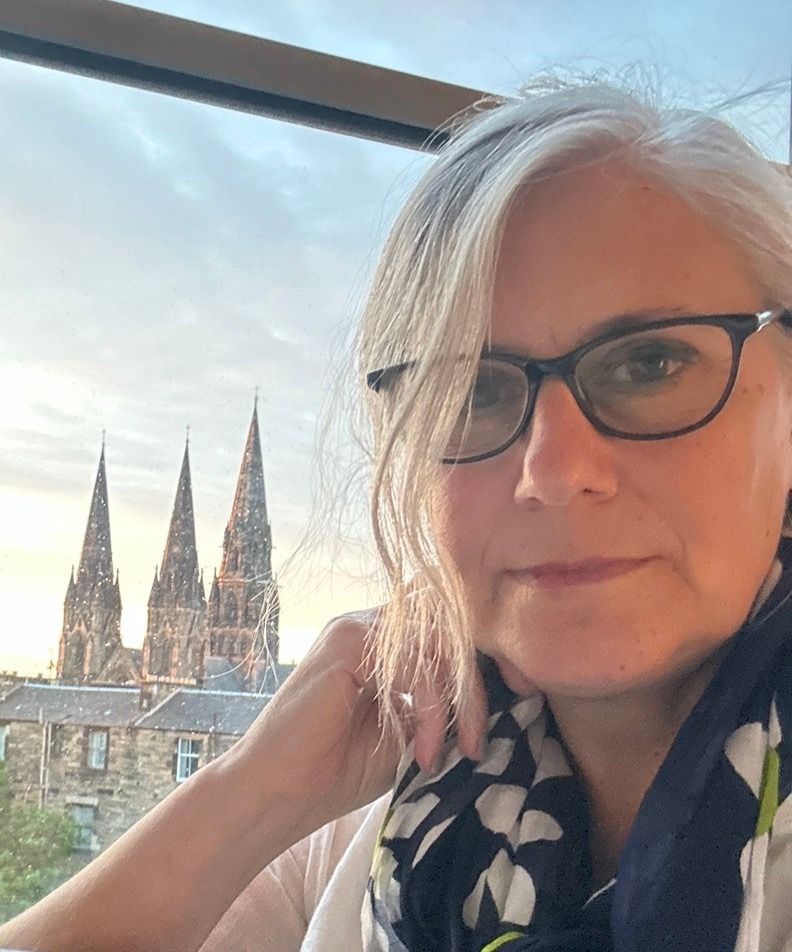
Paola Palma, Research and Innovation Development Manager, has been appointed as an ARMA Arts & Humanities SIG Champion.
Serving as an ARMA Arts & Humanities SIG Champion enables our institutional involvement to bring national sector insights, stronger external partnerships, and enhanced visibility to the university. This role strengthens support for Creative Industries and Humanities researchers by sharing best practice, improving funding readiness, and fostering new collaborations—ultimately enriching our research culture and increasing opportunities for impactful, high-quality research.
For Paola, this role brings valuable professional recognition that is built on both her former academic career and her role as a research & innovation development manager in DRI. It enables her to share best practice, improve funding readiness, and foster collaborations that support Creative Industries and Humanities researchers. By deepening expertise and consolidating connections across the sector, Paola will bring back valuable insights and opportunities to strengthen the work we do.
Collaborations
The University of Portsmouth is a research partner within the National Biofilms Innovation Centre (NBIC), contributing expertise in high‑throughput anti‑biofilm assessment and marine biofilm research. As part of NBIC’s expanding consortium, the University supports national efforts to advance biofilm science and translate research into practical solutions across healthcare, marine, and industrial sectors.
NBIC has recently completed its sixth round of accession, welcoming 10 additional UK universities and research institutions into the network. This expansion strengthens the consortium by increasing cross‑sector collaboration, widening access to specialist facilities, and enhancing opportunities for innovation. For partners like the University of Portsmouth, the broadened network creates even greater potential for joint research, shared expertise, and multidisciplinary problem‑solving.
Academics from research institutions and commercial organisations interested in joining NBIC’s mission to achieve breakthroughs in biofilm innovation are encouraged to contact the centre at [email protected].
Postgraduate researcher news
Staff member is first in the University of Portsmouth to become a UKCGE Recognised Research Supervisor
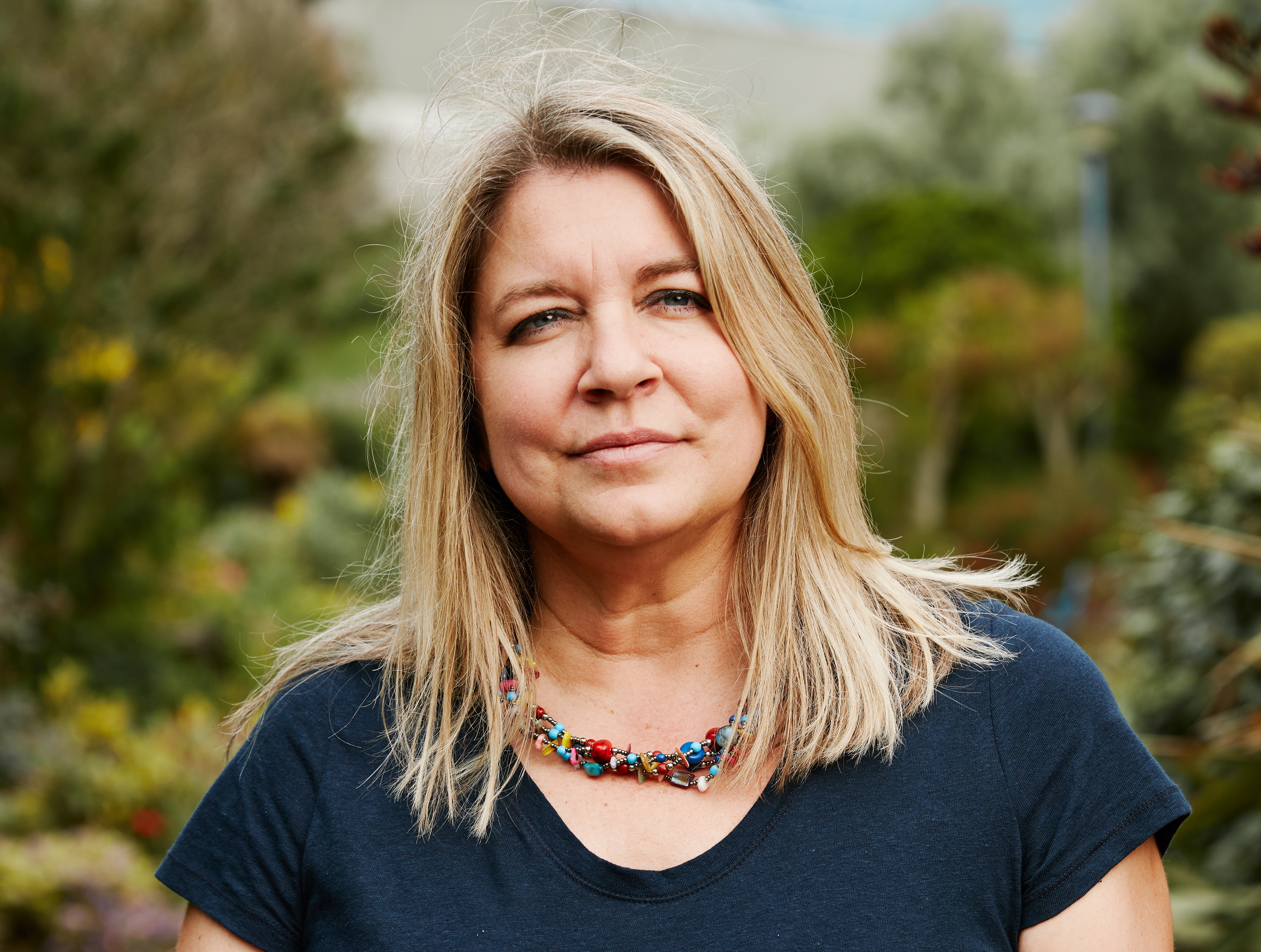
Dr Rebecca Stores, Associate Professor in Health Psychology based in the School of Dental, Health and Care Professions, Faculty of Science and Health, is the first member of staff at the University to become a UK Council for Graduate Education (UKCGE) Recognised Research Supervisor.
This achievement is grounded in the UKCGE’s Good Supervisory Practice Framework (GSPF) which outlines 10 criteria that cover the wide-ranging and complex responsibilities involved in modern doctoral research supervision. It represents an internationally recognised acknowledgement of reflective, high-quality supervisory practice.
Rebecca reflects on the award and her experience of gaining this award
DRI Staff spotlight
Meet the Impact team
For each edition of Research Connect, we shine a spotlight on a team or member of the Department of Research and Innovation. This month, we’re featuring the Impact team. Read on to learn who they are and how they can support you.

Staff publications
We’re pleased to share publications that have been highlighted to us by members of our academic community. To feature your work, email us at [email protected].
Dr Ozlem Araci, Senior Lecturer in School of Organisations, Systems and People
How do you see small business leaders balancing economic pressures and social impact in practice?
We’re pleased to celebrate a recent publication by Dr Ozlem Araci in the Journal of Small Business Management. Her paper, “Slowly extinguishing the tension between economic and social impact: Leveraging paradox perspective in managerial mindsets and uncovering interventional areas”, explores how small business leaders balance financial pressures with social responsibility in practice.
This research reveals how small business managers engage with economic–social tensions, introduces an overlooked “reserved” mindset, and outlines how managers can gradually reshape their thinking to live with tension.
Dr Lana Chikhungu and Ugochi Nkwunonwo
A recent publication by CEISR members Dr Lana Chikhungu and Ugochi Nkwunonwo, titled “Sexual abuse and unwanted pregnancies amongst women and girls in Malawi during the COVID-19 pandemic,” examines the rise in violence against women and girls in Malawi during the COVID-19 pandemic and its implications for sexual abuse and unwanted pregnancies across the country.
Chikhungu, L.C., Nkwunonwo, U. Sexual abuse and unwanted pregnancies amongst women and girls in Malawi during the COVID-19 pandemic. BMC Public Health 26, 14 (2026). https://doi.org/10.1186/s12889-025-25691-9
Dr Alejandro Roman Gonzalez, Lecturer in Institute of the Earth and Environment
We’re delighted to highlight a recent achievement by Dr Alejandro Roman Gonzalez, who contributed to the report Arctic Ocean and Coastal Research for the International Polar Year 5. Alejandro participated in the development of the report during a workshop held at the National Oceanography Centre in Southampton, collaborating with fellow experts in Arctic science and coastal research.
The report, published in mid-October by Arctic Office for the UK, outlines key research priorities and opportunities for the upcoming International Polar Year. This contribution reflects Alejandro’s ongoing commitment to advancing polar and oceanographic research.
Public lecture series
This year we have welcomed the return of the University’s Public Lecture Series, led by the Department of Research and Innovation. The series seeks to share the University of Portsmouth’s research with local communities, drawing research into contexts relevant to everyday life and aligned with public interests. The series enhances connections between the university and local community, presenting opportunities for further engagement and facilitating part of the civic agenda.
The key values of the series are sharing research beyond usual academic audiences, providing opportunities for all career stages and roles, and demonstrating how research connects to the real world.
So far this academic year, we have hosted 7 public lectures, and have 6 more scheduled including three bonus events to tie in with One World Festival and Portsmouth 100. Events so far have been a huge success. Only 18% of attendees have been staff, meaning that a huge proportion of attendees across all events have been members of the public (54%), and students (28%). What’s more, the lectures have welcomed 146 attendees to campus who hadn’t been to any university events in recent years, meaning that we can say for sure that we are welcoming people onto campus who do not usually engage with University activities.
“Superb presentation giving valuable insight […] Really informative sections on income, expenses and regulation. Really enjoyed it - thank you.”
“Absolutely loved the talk, fascinating topic and great speaker.”
“Very interesting and informative. I have very little existing knowledge of the topic […]. The level of information was very good.”
Whilst some of our events have been traditional lectures, we’ve seen everything from live DNA sequencing to 12-metre long works of art. Upcoming events will include a live music performance and the opportunity to try alcoholic spirits produced as an output from environmental research. We’ve also featured speakers in career stages ranging from Post-Doc to Professor, sharing that stage on an equal footing.
How to get involved?
The schedule is full for this academic year, but we will shortly be releasing a call for speakers for academic year 2026-27. We encourage collaborative events and non-traditional approaches (the word ‘lecture’ is used very loosely!), so if you’re interested in contributing to the series, start thinking about who could be involved and how your event could appeal to a public audience. If you’d like to discuss an idea or have any questions, you can contact [email protected].
Training and development
Podcast Round-Up
Podcasts are an easy way to keep up with new ideas in research and innovation, and there is plenty to explore if you are curious about what is happening across the sector. They are great for quick learning on the go and offer a chance to hear directly from researchers and policy experts.
A new episode of Life Solved, the University of Portsmouth’s research podcast, has just landed. How women’s clothing choices in Iran predicted the revolution years before it happened looks at how everyday actions can reveal powerful social shifts.
University of Portsmouth podcasts
- Life Solved – big research questions, fresh perspectives and real-world impact from Portsmouth’s academics.
- Port Cities and Maritime Cultures – stories from coastal communities, exploring maritime heritage and the future of waterfront life.
- Probation Perspectives: Insights into Community Justice – expert voices unpacking probation, rehabilitation and what supports safer, stronger communities.
Sector podcasts
- The Wonkhe Show – a lively weekly guide to what is happening in UK higher education policy.
- What the REF?! – a friendly, no-nonsense explainer for anyone navigating the REF.
- Research Culture Uncovered – practical conversations about creating better, healthier research environments.
- Research Adjacent – celebrating the unsung professionals who keep research moving.
- Research Talk – clear and accessible discussions on open research, research management and infrastructure.
Upcoming Training & Development events
Explore our upcoming events, training sessions, and development opportunities available to all staff over the coming months. If you have any questions, please contact our team at [email protected].
Click the month to see what's on
-
Ethics Committee Members Training (in person)
Monday 2 March 2026
1.00pm-3.00pm
To provide all staff who sit on an Ethics committee with an opportunity to discuss the role of an ethics reviewer in a cross-disciplinary group.
-
Navigating Research Ethics: Practical Advice for Emerging Scholars (hybrid)
Wednesday 4 March 2026
1.00pm-3.00pm
In conjunction with the Researchers' Network, we will discuss how ethics is embedded in projects from the outset.
-
Ethics, Integrity and Governance Training (online)
Thursday 5 March 2026
9.30am-11.30am
This session will consider how ethics review sits within the wider governance, integrity and research culture landscape.
-
Pure Training Session: Doing the Minimum That Still Works (and why that's enough) (in person)
Wednesday 18 March 2026
10.00am-11.00am
This session will build on the introductory session and focuses on how a small amount of regular attention to Pure can go a long way.
-
Challenges Facing Communities in Portsmouth - a seminar with HDRC (in person)
Wednesday 25 March 2026
11.00am-1.00pm
Learn about the HDRC (Health Determinants Research Collaboration) programme and it's priorities, as well as developing project ideas that address the challenges.
-
Ethics, Integrity and Governance Training (in person)
Wednesday 15 April 2026
10.00am-12.00pm
This session will consider how ethics review sits within the wider governance, integrity and research culture landscape.
-
Public Lecture: Chernobyl: Science, Society......and Vodka! (in person)
Thursday 23 April 2026
5.30pm-7.30pm
Find out about the realities and media influences surrounding Chernobyl.
Department of Research and Innovation
The Department of Research and Innovation (DRI) is here to support, drive and enable research and innovation across the institution.
We provide support throughout the research and innovation process, while also working behind the scenes to ensure systems and procedures are in place so activity runs smoothly and with integrity.
- Funding and Skills – guidance on applying for funding and opportunities for staff development.
- Open and Accessible Research – support with open access , open research, and research data management.
- Turning Ideas into Impact – advice on IP and commercialisation, impact through knowledge exchange, and Pure support.
- Research Culture – promoting integrity, governance and ethics, advancing EDI in research, supporting PGR students, strengthening connections with partners, and sharing updates on qualitative research, current news and events.
Our work underpins the University’s research and innovation priorities and supports colleagues to achieve excellence and impact.
Contact us
Let us know if you have any research culture news or events planned as we’d love to feature it here. Get in touch with Suzi Edwards or Jo Fairwood at [email protected] to discuss further.